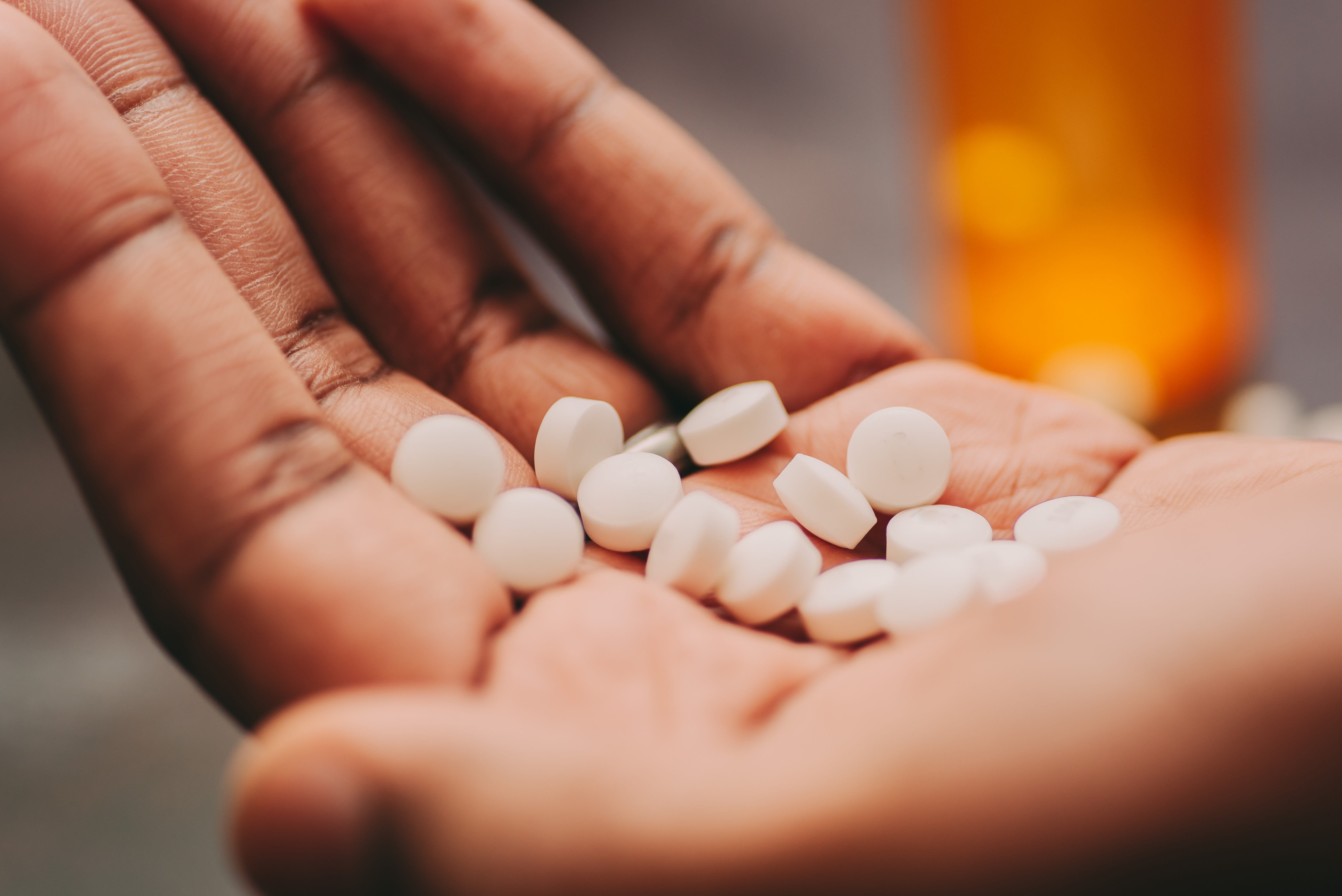
Buying Over-The-Counter Drugs in France: A Complete Guide for Visitors and Expats
France boasts a distinctive healthcare system that sets it apart from numerous other nations, particularly when it comes to how regular people purchase medication. For visitors arriving from the United States, the United Kingdom, or other countries where supermarkets and convenience stores stock standard medicines, the French method may initially seem unknown. Comprehending how to buy over-the-counter drugs in France not just ensures you can deal with small health issues immediately however likewise provides insight into the mindful technique the French take towards medication security and public health.
The French Pharmacy System: What Makes It Different
Unlike many countries where you can find painkiller, cold medication, and basic solutions on supermarket racks, France keeps a rigorous pharmacy-only design for most medications. This system puts the pharmacist at the center of medication distribution, changing what may be a simple transaction in other places into a chance for expert health guidance. The pharmacist in France plays a far more considerable role than merely dispensing pills; they serve as accessible healthcare consultants who can suggest appropriate treatments, counsel on correct medication usage, and recognize when a condition needs a physician's attention.
The agency responsible for regulating medications in France is the Agence Nationale de Sécurité du Médicament et des Produits de Santé, typically called the ANSM. This regulatory body ensures that all medications readily available to the public meet rigorous safety and effectiveness requirements. Unlike some nations where supplements and traditional solutions face minimal oversight, France classifies medicines carefully, comparing those needing a prescription and those offered without one, with the pharmacist acting as the gatekeeper for the latter classification.
This structure suggests that when you stroll into a French pharmacy seeking relief for a headache, upset stomach, or seasonal allergic reaction symptoms, you can expect to engage with the pharmacist or a drug store assistant. They will likely inquire about your symptoms, any allergic reactions you may have, and what other medications you are currently taking. This consultation happens not because you are buying a regulated substance but since the French healthcare system prioritizes suitable medication usage above benefit.
Typical Over-The-Counter Medications in France
French pharmacies stock a comprehensive range of over-the-counter medications resolving everyday health issues. Pain relief, gastrointestinal problems, cold and influenza signs, allergic reactions, skin problem, and small infections all have suitable items available without prescription. However, the brand and specific solutions typically vary from what you may find in other countries, making it valuable to comprehend both the generic categories and popular French brands.
For pain relief and fever reduction, you will find medications consisting of ibuprofen, paracetamol (referred to as paracétamol in France), and aspirin. Paracetamol represents the most frequently suggested painkiller in France, marketed under trademark name consisting of Doliprane, Dafalgan, and Efferalgan. These preparations are available in various forms consisting of tablets, effervescent solutions, and suppositories, with various does suited to adult and kid use. Ibuprofen is available under brand such as Advil and Nurofen, normally in tablet or capsule type.
Digestion medications form another considerable classification in French drug stores. For heartburn and heartburn, you can discover medications including alginates and antacids, with Gaviscon and Maalox representing familiar names. Anti-diarrheal medications like Imodium are available, as are oral rehydration services for managing gastroenteritis. French pharmacists likewise typically recommend probiotic preparations for supporting gastrointestinal health during durations of gastrointestinal upset.
Cold and allergy medications need cautious selection in France, as in many European nations. Certain combination cold medications consisting of codeine need a prescription, but numerous choices exist for handling cold symptoms without one. Antihistamines for allergic reaction relief include loratadine-based products and other non-sedating options. Nasal sprays, throat lozenges, and cough suppressants all stay available, though the particular brand names might differ from those in your house country.
Comparing French and International Medication Names
When browsing French drug stores, acknowledging equivalent medications under different names proves important. The following table highlights common non-prescription medications and their French equivalents:
| Health Concern | International Name(s) | French Brand Names | Active Ingredient |
|---|---|---|---|
| Pain Relief | Tylenol, Panadol | Doliprane, Dafalgan, Efferalgan | Paracetamol (500-1000mg) |
| Pain Relief | Advil, Motrin | Advil, Nurofen | Ibuprofen (200-400mg) |
| Heartburn | Tums, Rolaids | Maalox, Gaviscon | Aluminum/Magnesium hydroxide |
| Anti-diarrheal | Imodium | Imodium, Diarex | Loperamide |
| Allergic reaction Relief | Claritin, Zyrtec | Zyrtec, Allegra | Loratadine, Cetirizine |
| Cough Suppressant | Robitussin | Touxil, Sirop Biolinks | Dextromethorphan |
This table illustrates that while the active components typically stay constant throughout nations, the trademark name vary significantly. When looking for a specific medication, knowing the active ingredient shows more helpful than knowing a brand, as pharmacists can direct you to the appropriate French product containing that component.
Navigating Your Visit to a French Pharmacy
The drug store experience in France begins before you get in the door, as most pharmacies display green cross indications that make them simple to determine. Operating hours usually follow a pattern where drug stores surround 8 PM on weekdays, with reduced hours on Saturdays and Sunday openings differing by area. Nevertheless, a task drug store system ensures that at least one drug store stays open in each area during nights and Sundays to handle immediate medication needs. You can determine responsibility pharmacies through statements in local newspapers, posts at closed drug stores, and sometimes through committed websites or Apps specific to each French department.
When you go into a French pharmacy, you will usually discover the counter placed near the entryway, with the pharmacist or experienced assistant offered to assist you. Do not just head to the shelves, as many non-prescription medications are kept behind the counter or in portions of the pharmacy unattainable to consumers without assistance. Medic France , explain your signs or health issue, and wait for the pharmacist's recommendations. This system ensures you receive suitable assistance while also avoiding the unsuitable use of medications that may trigger complications for specific individuals.
Language factors to consider are worthy of advance preparation, though lots of pharmacists in traveler areas speak English to varying degrees. Finding out a few key expressions in French can significantly improve your experience. Phrases such as "J'ai mal à la tête" (I have a headache), "J'ai mal au ventre" (I have a stomach pains), or "Je suis enrhumé" (I have a cold) aid interact your needs successfully. If you take routine medications, bring a list of your existing medications with their generic names shows wise, as this details assists the pharmacist prevent prospective interactions.
Payment and Health Insurance Considerations
For visitors from outside the European Union, French drug stores operate on a cash-and-carry basis where you pay the complete price of medications at the time of purchase. Neither European health cards nor French social security coverage encompasses travelers, meaning you ought to budget plan for medication expenses as part of your travel costs. While rates for private medications stay relatively modest-- normally ranging from a few euros for basic pain relief to perhaps fifteen or twenty euros for extensive cold treatments-- expenses can collect if numerous member of the family require medication throughout your stay.
Keeping receipts for any medications acquired during your journey serves two functions. First, if you have travel insurance that covers medical expenses, these invoices become essential paperwork for reimbursement claims. Second, need to you experience any negative reactions or require subsequent medical care in France or upon returning home, having a record of exactly what you took proves medically important.
Some visitors from EU nations with European Health Insurance Card coverage might find partial repayments readily available for specific medications, though this varies based on your home nation's bilateral agreements with France. Non-EU visitors need to check their travel insurance coverage before departure, making sure that medication purchases fall within covered benefits ought to disease happen during their stay.
Vital Tips for Purchasing Medication in France
Several practical considerations can improve your experience purchasing over the counter medication in France. Initially, acknowledge that packaging and instructions usually appear just in French, as regulatory requirements mandate French-language labeling for medications offered within the nation. Taking some time to understand dose instructions becomes important, especially for medications planned for kids, where dosing often depends upon weight or age.
Second, think about that some medications offered non-prescription in your house country might require a prescription in France.-codeine-containing painkiller and particular sedating antihistamines fall under this classification. If you frequently utilize a specific medication that might fall under more stringent French guidelines, bringing documents from your physician describing its medical need can facilitate acquiring a prescription if required.
Third, keep in mind that French drug stores frequently stock quality generic medications along with brand-name items. Generic options containing the very same active ingredients generally cost less and work similarly well, making them an affordable choice for households or longer stays. The pharmacist can describe the generic choices offered for any suggested medication.
Regularly Asked Questions
Do I need a prescription for basic pain relief like ibuprofen or paracetamol in France?
No, you do not require a prescription for standard painkiller containing ibuprofen, paracetamol, or aspirin in France. These medications are available at any drug store, though you must request them from the pharmacist rather than choosing them straight from racks. The pharmacist will ask about your symptoms to ensure you receive an appropriate solution and dosage.
Can I buy cold medicine without a prescription in France?
Most cold medications are available without prescription in France, including decongestants, cough suppressants, and throat lozenges. Nevertheless, certain mix items consisting of codeine or pseudophedrine require a prescription. If you choose a particular cold medication from your home nation, you might need to bring it with you or speak with a physician for a comparable French prescription.
Are drug stores open on Sundays in France?
A lot of drug stores close on Sundays in France, but a task pharmacy system guarantees that at least one pharmacy in each location remains available to deal with urgent medication requirements. These responsibility pharmacies turn amongst getting involved establishments, and information about current task drug stores appears in regional newspapers, at closed pharmacy entrances, and through department-specific websites or applications.
What should I do if I need medication however can not interact in French?
Numerous pharmacists in tourist locations and major cities speak English to some degree, especially those near hotels, airports, or popular attractions. Documenting your signs, the medication you need, or showing a photo of the packaging can bridge language spaces. Furthermore, translation Apps on smartphones can facilitate real-time interaction. If significant language barriers exist, think about going to a drug store near a medical center where English-speaking staff may be available.
Can I utilize my home country's medical insurance for purchases at French pharmacies?
Standard medical insurance from outside the EU does not cover purchases at French pharmacies. Visitors must anticipate to pay complete rate for all over the counter medications. If you have travel insurance coverage that consists of medical protection, keep all invoices for possible reimbursement claims upon returning home.
The French approach to over-the-counter medication shows wider cultural worths stressing expert assistance, appropriate usage, and public security. While the pharmacy-only system might at first appear less hassle-free than the supermarket gain access to available in some other countries, it makes sure that every medication purchase includes an opportunity for expert consultation. For visitors requiring time to understand this system, acquiring over the counter medication in France ends up being not simply a transaction but an available health care interaction. By understanding where to go, what to expect, and how to interact your needs successfully, you can deal with small health issues confidently while respecting the French health care approach that focuses on proper medication usage above all else.